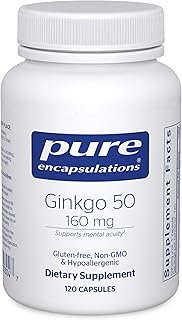
For many women in midlife and menopause, incorporating dietary supplements like ginkgo biloba is part of a personal wellness routine. However, preparing for a surgical procedure often involves reviewing all medications and supplements, as some can interact with anesthesia or affect bleeding.
Understanding the potential implications of ginkgo biloba in the perioperative period is important. This information can help you have an informed discussion with your healthcare provider about when to pause ginkgo supplementation before surgery.
Ginkgo Biloba and Its Potential Effects on Bleeding
Ginkgo biloba is a widely used herbal supplement, and its potential effects on blood clotting are a key consideration before surgery. Some laboratory research suggests that certain herbal extracts can inhibit platelet function, which plays a role in the body’s clotting processes, although one blinded study in healthy volunteers found that ginkgo did not affect platelet function in vivo [1].
Multiple reports have documented instances of bleeding complications potentially associated with ginkgo biloba use, particularly in the context of surgery. These reports highlight concerns about increased bleeding risk during and after surgical procedures [2][3]. For example, persistent bleeding after total hip arthroplasty has been linked to ginkgo self-medication [4].
While not every individual taking ginkgo will experience bleeding complications, the potential for such effects makes it a significant consideration for surgical planning. Healthcare professionals often advise caution with herbal medicines that may affect coagulation [5][6].

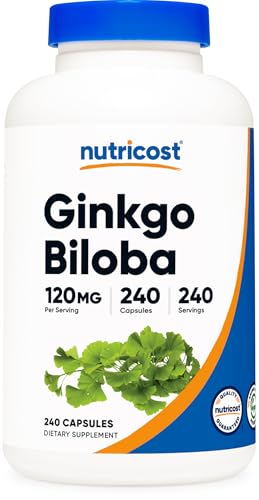
Why Discontinuing Ginkgo Before Surgery is Often Recommended
Given the potential for ginkgo biloba to affect platelet function and bleeding, healthcare providers typically recommend discontinuing its use prior to surgery [7][8]. This recommendation is a precautionary measure aimed at reducing the risk of excessive bleeding during the procedure and in the post-operative recovery period.
The decision to pause ginkgo, along with other supplements and medications, is part of a comprehensive perioperative care plan. Anesthesia providers and surgeons consider the full spectrum of substances an individual is taking to help ensure the safest possible outcome [6].
The goal is to minimize any factors that could complicate the surgical process, such as unexpected bleeding, which could necessitate additional interventions or prolong recovery. By discontinuing ginkgo, you are helping to reduce a potential variable that could impact your surgical experience.
General Guidelines for Stopping Ginkgo Before a Procedure
While specific recommendations can vary based on the type of surgery, individual health factors, and the healthcare provider’s judgment, a common guideline for discontinuing ginkgo biloba before surgery is to stop taking it at least one to two weeks prior to the scheduled procedure [5][7].
This timeframe is suggested to allow sufficient time for the body to metabolize the ginkgo and for any potential effects on platelet function to diminish. It’s a general recommendation, and your surgeon or anesthesiologist may provide a more precise timeline based on your specific circumstances.

It is crucial to communicate openly and honestly with your healthcare team about all supplements, including ginkgo biloba, that you are currently taking. This discussion should happen well in advance of your surgery date to allow ample time for adjustments to your supplement regimen [6].
The Importance of Discussing Your Supplements with Your Healthcare Team
Before any surgical procedure, a thorough review of all medications, including prescription drugs, over-the-counter medicines, and dietary supplements like ginkgo biloba, is essential. This discussion is not only about ginkgo; many herbal supplements can have perioperative implications [5].
Your surgeon, anesthesiologist, or primary care provider needs a complete picture of your health and what you are ingesting to provide the safest care. They can offer personalized advice regarding when to stop specific supplements based on your individual health profile and the nature of your upcoming surgery [6].
Do not make changes to your supplement routine without first consulting your healthcare provider. They can guide you through the process, helping to ensure your safety and optimize your surgical outcome.
References
- The effect of herbal medicines on platelet function: an in vivo experiment and review of the literature. Plastic and reconstructive surgery, 2007
- Dietary supplements and bleeding. Proceedings (Baylor University. Medical Center), 2022
- Haemorrhage due to Ginkgo biloba?. Prescrire international, 2008
- Ginkgo biloba: persistent bleeding after total hip arthroplasty caused by herbal self-medication. The Journal of arthroplasty, 2005
- Herbal medicines and perioperative care. JAMA, 2001
- Herbal Medications and Anesthesia Case Management. AANA journal, 2018
- The peri-operative implications of herbal medicines. Anaesthesia, 2002
- Ginkgo biloba. American family physician, 2003
These statements have not been evaluated by the Food and Drug Administration. This information is not intended to diagnose, treat, cure, or prevent any disease. Content is for informational purposes only and is not medical advice; consult a qualified healthcare provider before starting any supplement. As an Amazon Associate we earn from qualifying purchases.